Reggae Music: The Soundtrack of Revolution
27 December 2025
Column by Scotty Fraser
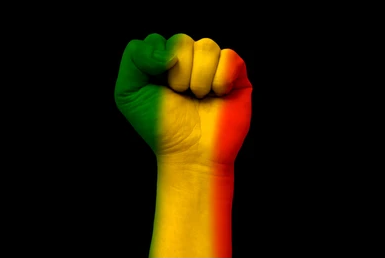
Reggae has always been more than a rhythm or a catchy bassline; it has served as one of the most enduring voices of resistance around the world. Born from Jamaica’s struggle with colonialism, poverty, and social injustice, the genre grew into a powerful tool for speaking truth to power. From its earliest days, reggae offered hope to the oppressed, courage to the unheard, and unity to communities fighting for their place in the world.
The roots of reggae run deep. Jamaica’s history created the soil from which this music grew, and the teachings of Marcus Garvey became the flame that ignited its revolutionary spirit. As ska and rocksteady evolved, reggae slowed the tempo and emphasized the bass, giving artists the space to explore themes of liberation, identity, and spiritual awakening.
Rastafarian philosophy added another layer of meaning, framing the struggle as a battle between Babylon—the systems that oppress—and Zion, the vision of freedom and unity. Through this lens, faith became intertwined with political activism, and reggae became a global call for justice.
As the music spread beyond Jamaica, it found champions who carried its message into every corner of the world. Bob Marley became the heartbeat of this movement, using songs like “Get Up, Stand Up” and “War” to challenge racism, inequality, and political corruption. His influence reached far beyond entertainment, even helping ease political tension in Jamaica during the One Love Peace Concert. Peter Tosh, with his unwavering demand for equal rights, reinforced reggae’s role as a fearless challenger of oppression. In South Africa, artists like Lucky Dube turned reggae into an anthem against apartheid, while many musicians worldwide used their platforms to demand Nelson Mandela’s freedom.
Reggae also connected deeply with the Civil Rights and Black Power movements in the United States, where its themes of unity and resistance found a natural home. The genre influenced early hip-hop, street culture, and youth activism, inspiring generations to stand firm in the face of inequality. Across Latin America and the Caribbean, reggae became a musical rallying cry for indigenous and grassroots movements fighting corruption and defending human rights. In each region, the music adapted, but the message remained the same: justice, freedom, and upliftment for the people.
Today, reggae’s revolutionary energy continues to thrive. Its influence can be heard at protests demanding racial justice, in movements advocating for environmental protection, and in global campaigns challenging systemic inequalities. Streaming platforms and social media have made the genre more accessible than ever, allowing young listeners to discover the same messages that inspired past generations. Modern artists such as Chronixx, Protoje, Koffee, and Kabaka Pyramid carry the torch forward, blending traditional elements with fresh sounds while staying true to reggae’s purpose: awakening consciousness and inspiring action.
Reggae’s power lies in its ability to speak to the human spirit. It stands as a reminder that music can be a force for change, a healing balm, and a revolutionary tool. From Jamaica’s earliest struggles to the global movements of today, reggae has remained unwavering in its mission. It continues to uplift the voiceless, challenge injustice, and fuel the fight for a better world. In many ways, reggae is not just the soundtrack to revolution—it is the revolution, alive and evolving with every new generation that hears the call.